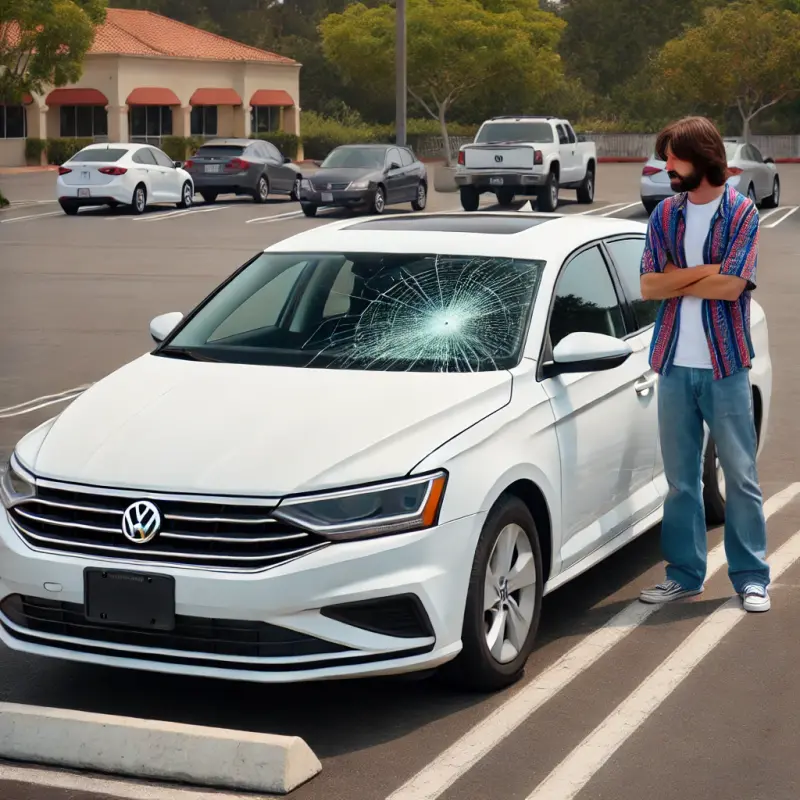
Greenville drivers notice it the first time a rock skips off the highway and kisses the glass. You get that small star or crack, then a quick call for windshield repair. These days, the conversation rarely stops at new glass. If your vehicle has lane assist, adaptive cruise, forward collision warning, or a camera mounted near the rearview mirror, you’re stepping into ADAS territory. That means calibration. If you’ve heard shop jargon like “static” and “dynamic” calibration and wondered why one job can take an hour and another can stretch the afternoon, this is where the differences matter.
I’ve spent enough time around glass bays and scan tools in Greenville to see how calibration can make or break a repair. Done right, you get crisp lane centering and dependable brake assist. Done wrong, you get ghost warnings, steering nudges that don’t feel right, or a feature that quietly disables itself. The tech behind those little windshield cameras is picky. It expects geometry, alignment, and clear references. When you change the glass, even if you set it perfectly, the camera’s angle and distance shift just enough that the system needs to be re-taught how to see the road.
This guide lays out what static and dynamic calibrations are, why Greenville’s mix of weather and road conditions affects them, what to expect on the day of service, and how this intersects with insurance windshield replacement Greenville and your options for mobile auto glass Greenville service. I’ll also touch on edge cases like Subaru Eyesight, newer GM and Toyota radar fusions, and what happens when a windshield install looks clean but the calibration fails. The goal is simple: you know what you’re paying for, how long to plan, and what good work looks like.
Why calibration exists after windshield work
That little camera bracket near the top-center of your windshield isn’t decorative. It houses a forward-facing camera, sometimes a stereo pair, and occasionally an integrated rain sensor or light sensor. The computer uses those inputs to watch lane lines, vehicles ahead, and traffic signs. A few millimeters of shift at the glass can translate to feet down the road, so the system needs a baseline after any change that affects its view. That includes windshield replacement Greenville, certain rock chip repairs near the camera, and sometimes even a re-aim of the suspension or a front-end alignment.
Most manufacturers specify calibration after any windshield replacement, camera removal, or camera bracket disturbance. Some go further and require it after a wheel alignment, ride height changes, or collision work. If you’re calling for cheap windshield replacement Greenville and the quote seems surprisingly low compared with others, ask whether calibration is included, and if not, whether they’ll coordinate it. A couple of hundred bucks saved on the glass can disappear fast if you need a second trip for calibration, or worse, if the car’s driver assist features don’t operate correctly.
Static vs. dynamic calibration, explained without the buzzwords
Static calibration happens in a controlled bay. The technician sets up a target board or a series of patterned mats at specified distances and heights from the vehicle. The scan tool puts the car’s ADAS module into learn mode, then the camera calibrates against those known references. This method requires level floors, precise measurements, good lighting, and targets specific to the year and model. It can be finicky, but it’s consistent once the shop has a proper setup. Static is common on Toyota, Lexus, many Volkswagen and Audi models, and an increasing number of domestics.
Dynamic calibration happens on the road. The scan tool initiates the procedure, then the tech drives at steady speeds on well-marked roads while the system teaches itself by reading real lane lines and traffic. Some brands, like Honda and Mazda, lean heavily on dynamic routines, though more models now support or require static first, dynamic second. Dynamic sounds easier, but Greenville offers challenges: heavy rain, alternating asphalt shades, glare in the late afternoon on Woodruff Road, or lane lines worn down near 385 can cause failures. On days where lane paint is faint or traffic crushes your following distance, dynamic calibration takes longer or doesn’t complete.
The decision between static and dynamic usually isn’t the shop’s opinion. It’s the manufacturer’s procedure. Some cars require static only. Some require dynamic only. Many allow both, depending on what component was disturbed. A growing number require a combination: static first in the bay, then dynamic on the road to validate.
A day in the life: what the service actually feels like
You schedule a mobile windshield repair Greenville appointment for a chip, or a full auto glass replacement Greenville after a crack runs. For simple chip repairs away from the camera, a shop might finish without calibrating, although many still perform a quick scan. Once the glass is replaced, the tech completes a pre-scan, installs OEM or OEM-equivalent glass with the correct camera bracket, leaves the adhesives to cure to the specified time window, then performs calibration.
Cure time matters. On many urethanes, safe drive-away can be 30 to 120 minutes depending on humidity and temperature. Greenville’s summers speed things up, winters slow them down. A rushed calibration before the glass settles can produce marginal results. A careful shop builds in buffer time.
If your vehicle requires static calibration, figure on an hour or two in a proper bay with targets. If dynamic is required, the drive might run 10 to 45 minutes with steady speeds and clear road markings. When both are needed, you’re looking at a half day by the time scanning, documentation, and test drives are done.
Mobile auto glass Greenville providers can complicate the picture. Not all mobile vans carry static targets or have a guaranteed level surface to set them up. Dynamic-only cars are often fine for mobile service, assuming traffic and weather cooperate. For vehicles that require static, many reputable mobile teams replace the glass at your location, then schedule you to swing by the calibration center. Others bring portable targets and leveling equipment, but success still depends on space, lighting, and the ground surface. A driveway on a slope is a problem. An empty office lot with even pavement works.
What Greenville conditions change
Road paint quality, sun angle, and weather all influence dynamic calibrations. Midday glare on I-85, wet pavement that hides lane contrast, and active construction zones along major corridors can cause calibration procedures to pause or fail. Shops that work in this area learn their routes. Some head toward newer stretches of road with fresh paint, away from tree-lined sections that throw dappled shadows. They also pick times of day with lighter traffic. If you’re calling late Friday for a dynamic-required car, expect rescheduling if traffic congestion prevents safe, steady speeds.
Static calibrations care about the room and the targets, not the weather. That said, humidity and temperature still affect the glass adhesive cure and the dimensional stability of the targets themselves. Good shops monitor both. They also keep the floor verified level. A one-degree slope may sound trivial, but the camera sees angles the human eye glosses over.
Do you always need calibration after glass work?
Not always, but close. For a simple rock chip repair far from the camera, you usually don’t. For any windshield replacement on a car with a forward camera, you almost certainly do. On some vehicles, even side window replacement Greenville or back glass replacement Greenville doesn’t affect ADAS sensors directly, unless a rear radar or surround-view camera is involved. Still, every shop worth using will run a pre-scan and post-scan. If anything throws a code, they address it rather than hand you a car with a dormant feature.
A quick rule that holds up in practice: if the camera or bracket near the rearview mirror is touched, if the glass it adheres to is replaced, or if the ride height or front alignment changes, expect calibration.
OEM glass vs. aftermarket, and the myths in between
I’ve seen excellent aftermarket windshields with accurate frit lines and correct bracket geometry. I’ve also seen budget glass with brackets welded a degree off and camera windows that distort. Calibration is not magic. If the optical pathway is compromised, you can spend hours chasing a target that the camera can’t lock on. That is when cheap windshield replacement Greenville stops being cheap.
OEM glass usually aligns with fewer surprises, but it’s not a universal law. Some manufacturers license their glass, and the same plant stamps both. The difference is in part numbers, coatings, and the quality of the camera patch. Ask the shop how often they replace that specific make and model and whether they have seen calibration issues with a given glass supplier. A shop that installs a dozen Subaru windshields a month knows which aftermarket options play nice with Eyesight and which do not.
Insurance and the calibration line item
A lot of folks exploring insurance windshield replacement Greenville expect the policy to cover the glass but not the calibration. In many cases, comprehensive policies cover both, because calibration is part of returning the vehicle to pre-loss condition. Still, adjusters vary. Some carriers want documentation of the manufacturer procedure. A competent shop documents pre-scan fault codes, calibration requirements from service information, the procedure performed, and the post-scan. That paperwork smooths claims and prevents you from paying out of pocket for a procedure that keeps your safety features honest.
If you’re paying cash, ask for a line-item estimate that includes glass, moldings, adhesives, labor, and calibration. Comparing quotes apples to apples is tough otherwise. The cheapest number often omits calibration or assumes a dynamic-only procedure that later proves impossible due to the model’s requirements.
Common edge cases that trip people up
Subaru Eyesight is sensitive to windshield clarity, tint, and precise bracket alignment. Even slight distortions in the camera area can cause failures. Many shops default to OEM glass for Subaru for this reason. Mazda models sometimes finish dynamic calibration quickly, except when lane lines are worn. Toyota and Lexus frequently require static with specific target distances, then a dynamic drive to validate. Volkswagen and Audi often want a very level floor, and they can be picky about lighting. GM and Ford have mixed procedures depending on model year. The newer the vehicle, the more likely it integrates radar and camera so one calibration depends on the other.
Lifted trucks or cars with altered suspensions present their own issues. The calibration assumes stock ride height. If you’ve added a two-inch lift, tell the shop. They may need to use offset procedures or advising that certain features won’t function as intended. If the car pulls due to alignment issues, fix the alignment first. ADAS expects a vehicle that tracks straight. Trying to calibrate around a crooked steering wheel is a recipe for a comeback.
What a thorough shop process looks like
The workflow I see in well-run Greenville shops starts with intake questions. They ask about warning lights, dash messages, recent alignments, suspension changes, or body work. They document the glass condition and check the camera bracket. They scan the vehicle before touching anything, keep a record, then install the windshield with the right adhesive and primers. They allow proper cure, clean the camera window, and ensure nothing blocks the view such as an inspection sticker placed in the wrong spot. Then they perform the manufacturer’s specified calibration, static, dynamic, or both. Afterward, they scan again, road test for behavior, and provide paperwork.
If a static calibration fails, they re-check measurements, floor level, target angles, and lighting. They verify the glass part number and bracket. If a dynamic calibration fails, they try a better route, cleaner lane markings, and steadier speeds. Persistent failure triggers a deeper look: is the camera seated correctly, are there soft codes tied to other modules, is the windshield’s camera area optically clean and correct?
Where mobile fits, and where a bay wins
Mobile service shines when you need quick windshield repair Greenville for a chip or a straightforward replacement on a car that only requires dynamic calibration and the day’s conditions cooperate. For complex ADAS calibration windshield Greenville jobs that require static equipment or combined procedures, a controlled bay saves time and reduces variables. The best mobile auto glass Greenville outfits are honest about this. They’ll fix the glass at your driveway or office, then book you in for a same-day static calibration at the shop. That hybrid model respects your schedule without compromising the technical demands.
Signs your car needs attention after calibration
Not every problem jumps out right away. You might go a few days before noticing that lane departure only works on certain roads, or adaptive cruise brakes a bit too late. windshield replacement Greenville If you sense anything off, trust your gut. Driver assist systems should feel consistent and predictable. Slightly delayed beeps, sporadic steering nudges, or a warning that says the camera is unavailable can point to marginal calibration or environmental quirks. Sometimes the fix is simple, like cleaning residue from the inside of the glass near the camera. Other times it’s a sign that the initial calibration took place on a road with poor markings and needs a re-drive. A reputable shop will bring you back, re-scan, and correct it.
Local realities: parts availability and scheduling in Greenville
Windshields for popular models usually arrive same day or next day. Less common vehicles or those with acoustic glass, heating elements, or specialty coatings can take longer. If you’re planning side window replacement Greenville or back glass replacement Greenville after a break-in or storm damage, those parts often come quicker than advanced windshields, though some SUVs with defroster grids and antennas embedded in the glass still require a day or two.
For calibration, book with a shop that does this work routinely. Ask how many static and dynamic calibrations they perform in an average week. Five to ten is a healthy rhythm for a mid-sized operation. Look for a clear explanation of their process, not just a price. If they also handle insurance windshield replacement Greenville paperwork smoothly, that’s time you don’t spend on hold.
Practical guidance before you book
Here are two short checklists that help you get the job done right and avoid second trips.
- Ask if your vehicle needs static, dynamic, or both types of calibration, and whether the shop can perform them in-house. Confirm the glass brand and whether it includes the correct camera bracket and optical clarity in the camera area. Verify whether pre-scan and post-scan reports are included and whether they’ll share them with you. Discuss drive-away time based on the adhesive used and the day’s temperature and humidity. If using insurance, ask the shop to document the manufacturer requirements so the carrier approves calibration. If opting for mobile service, confirm whether your location suits the needed calibration, or whether you’ll visit the shop afterward. Plan the appointment for a time of day with steady traffic and good daylight if dynamic calibration is required. Tell the shop about any recent alignments, ride height changes, or dash warnings. Remove aftermarket tint strips or stickers near the camera area and clean the inside of the glass. Build in time for a test drive so you can verify that lane and cruise features feel normal.
Balancing cost and safety
People look for deals on auto glass because nobody budgets for a surprise crack. There is nothing wrong with seeking fair pricing. Just know that glass and calibration are a system. If you chase the lowest number without considering calibration, you risk paying twice or losing confidence in the features you rely on. A shop that explains why your specific car needs static calibration, schedules it promptly, and stands behind the result is worth a little more upfront. You get a windshield that doesn’t whistle on I-26, a camera that tracks lane lines properly, and a car that behaves like it did the day you drove it off the lot.
When a customer tells me they want the cheapest option that still works, I say this: choose the least expensive path that preserves calibration integrity. That might be quality aftermarket glass with proper targets and an experienced tech. It might be OEM glass if your model is picky. It rarely means skipping calibration “to see if it’s fine,” because that gambles with systems designed to keep you out of trouble.
A few real-world examples from around town
A late-model RAV4 came in after a windshield replacement at a shop that didn’t own targets. They attempted a dynamic-only calibration. It wouldn’t complete. The vehicle actually required static first. We moved it to a level bay, set targets at the specified distances, completed static, then performed a short dynamic drive to confirm. Total extra time was two hours, which could have been avoided with the correct setup from the start.
A Subaru Outback with Eyesight had an aftermarket windshield whose camera window slightly distorted the view. Static calibration failed twice. Swapping to OEM glass resolved it immediately. The difference was visible only if you held a straight pattern behind the glass and looked for waviness. The camera is far less forgiving than the human eye.
A Honda Accord performed dynamic calibration in fifteen minutes on a bright weekday with fresh lane paint. Two weeks later, the customer returned saying lane keeping felt “lazy.” We scanned the car and found no errors, then repeated a dynamic calibration on a clearer stretch. The improvement was noticeable. Weather and road conditions can influence not just whether a calibration completes, but how well the system maps its environment.
Final thoughts for Greenville drivers
Whether you’re booking windshield replacement Greenville after a crack or a quick windshield repair Greenville for a chip, take a moment to ask about ADAS implications. The technician’s ability to calibrate your camera is not a luxury add-on. It is part of restoring your vehicle’s safety net. Static and dynamic calibrations are not competing ideas, they are tools matched to your vehicle and the environment. Greenville’s weather, traffic, and road markings tilt the odds in favor of shops that plan their routes and maintain proper equipment.
If you need mobile windshield repair Greenville, it can be the smoothest path when your car supports dynamic calibration and the day cooperates. If your vehicle needs static calibration, don’t force a mobile workaround when a controlled bay will do it right the first time. And if insurance is footing the bill, make sure calibration is on the estimate and properly documented.
Good glass work feels invisible. You don’t hear it, you don’t think about it, and you don’t fight the steering wheel on Wade Hampton Boulevard. You just drive, and the systems meant to help you stay centered and aware do their job. That is the benchmark to aim for, and it starts by understanding how static and dynamic calibrations fit into the bigger picture of ADAS calibration windshield Greenville.